Why Chilean Rose Tarantulas Are More Than Just Another Pet Spider
Welcome to the fascinating world of Chilean rose tarantulas! These captivating creatures are more than just another pet spider; they offer a unique blend of beauty, gentle nature, and educational value that can enrich your life. In this article, we’ll explore the unique appearance and temperament of Chilean rose tarantulas, delve into their care requirements, highlight their educational significance, and provide tips for responsible ownership. Let’s embark on this journey to understand why these arachnids are truly special.
A Unique Appearance and Gentle Nature
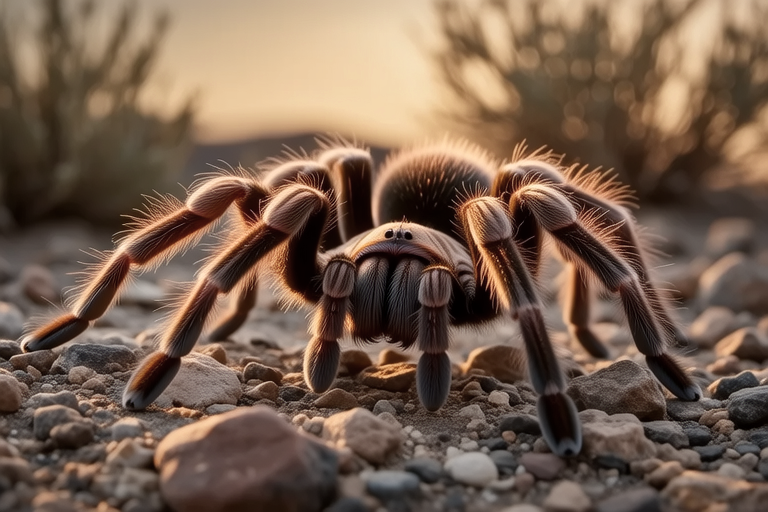
The Chilean rose tarantula (Grammostola rosea) is a stunning spider with a distinctive appearance. Their bodies are covered in a soft, velvety fur, which ranges from a dusty pink to a deep rose hue, giving them their name. Males are typically smaller and have longer legs compared to females, which can grow up to 5 inches in leg span. Their striking coloration and gentle demeanor make them a popular choice among pet enthusiasts.
Chilean rose tarantulas are known for their calm and docile nature, making them ideal pets for those new to tarantula ownership. They are generally non-aggressive and prefer to avoid confrontation, often retreating to the safety of their burrows when threatened. This peaceful temperament makes them perfect companions for those looking for a low-maintenance, yet fascinating pet.
Care Requirements: Setting Up the Perfect Habitat
Creating a suitable environment for your Chilean rose tarantula is essential for their health and well-being. A glass or plastic terrarium with a secure lid is recommended, providing ample space for the spider to move around comfortably. The enclosure should be at least three times the length of the spider’s leg span. Proper ventilation is crucial to prevent humidity buildup and ensure fresh air circulation.
The substrate is another important aspect of their habitat. Coconut fiber or reptile bark works well, creating a natural burrowing environment. The substrate should be at least 4 inches deep to allow the tarantula to dig its burrow. Adding a shallow water dish and a few hiding spots, such as cork bark or artificial plants, will enhance the spider’s comfort and security.
Maintaining the right temperature and humidity levels is vital for the Chilean rose tarantula’s health. The enclosure should be kept between 75-85°F during the day and slightly cooler at night. Humidity levels should range between 60-70%, which can be achieved by misting the enclosure occasionally and ensuring proper drainage.
Diet and Feeding Schedule
Chilean rose tarantulas are carnivorous and require a diet rich in protein. In captivity, they thrive on a variety of live insects, including crickets, mealworms, and dubia roaches. It’s important to gut-load the feeder insects with nutritious food before offering them to the tarantula. This ensures that the spider receives all the necessary vitamins and minerals.
The feeding schedule depends on the age and size of the tarantula. Younger spiders should be fed every 5-7 days, while adults can be fed once every 7-10 days. Always remove any uneaten prey after 24 hours to prevent contamination. Additionally, it’s essential to dust the feeder insects with calcium and vitamin supplements to support the tarantula’s growth and overall health.
Gentle Handling and Interaction
While Chilean rose tarantulas are generally calm and docile, they are not meant to be handled frequently. Their exoskeleton is delicate, and excessive handling can cause stress or injury. When handling is necessary, it should be done gently and with minimal disturbance. Always support the spider’s body and legs to prevent damage.
For those interested in interacting with their pet, observing their behavior through the glass is a safer and less stressful option. Watching them hunt, burrow, or molt can provide endless entertainment and a deeper connection with your pet. Regular observation also allows you to monitor their health and well-being, ensuring a long and happy life for your Chilean rose tarantula.
Educational Value: Learning About Behavior and Natural History
Owning a Chilean rose tarantula offers a unique opportunity to learn about their behavior and natural history. These spiders are nocturnal predators, hunting primarily at night. Observing their hunting techniques, such as waiting patiently at the entrance of their burrow or ambushing unsuspecting prey, can be both thrilling and educational.
In their natural habitat, Chilean rose tarantulas are found in the dry, desert-like regions of South America. Understanding their adaptations to survive in such environments can provide valuable insights into their biology and ecology. For instance, their burrowing behavior helps them regulate their body temperature and conserve moisture, which is crucial in their arid surroundings.
Moreover, these spiders play a vital role in their ecosystems as both predators and prey. By studying their interactions within the food chain, we can better appreciate the intricate balance of nature. Owning a Chilean rose tarantula not only provides companionship but also fosters a deeper understanding and appreciation for these remarkable creatures.
Tips for Responsible Ownership
If you’re considering adding a Chilean rose tarantula to your family, there are several steps you can take to ensure responsible ownership:
- Research thoroughly: Before purchasing, spend time learning about their care requirements, behavior, and lifespan. This knowledge will help you provide the best possible home for your new pet.
- Choose a reputable breeder: Buying from a reputable breeder ensures that you receive a healthy and ethically sourced spider. Avoid purchasing from pet stores that may engage in irresponsible breeding practices.
- Prepare the enclosure: Set up the habitat before bringing your tarantula home to ensure it’s ready and comfortable. This will minimize stress for both you and your pet.
- Monitor health regularly: Keep an eye on your tarantula’s eating habits, activity levels, and overall appearance. Any sudden changes may indicate a health issue that requires attention.
- Respect their needs: Remember that tarantulas are wild animals with specific needs. Provide them with the care and respect they deserve to ensure a long and healthy life.
The Rewarding Experience of Owning a Chilean Rose Tarantula
Owning a Chilean rose tarantula can be a deeply rewarding experience. Their unique appearance, gentle nature, and fascinating behavior make them captivating companions. Watching them interact with their environment and observing their daily routines can provide hours of entertainment and a sense of connection with the natural world.
However, it’s important to dispel some common myths about tarantulas as pets. Contrary to popular belief, they are not aggressive or dangerous. With proper care and handling, they can be safe and enjoyable pets for both children and adults. Additionally, tarantulas do not require extensive maintenance or grooming, making them ideal for those seeking a low-maintenance pet.
In conclusion, Chilean rose tarantulas are more than just another pet spider; they are intelligent, beautiful creatures that offer a unique and rewarding experience for their owners. By providing them with the appropriate care and respect, you can enjoy a lifelong bond with one of nature’s most intriguing animals. Whether you’re a seasoned arachnid enthusiast or a first-time owner, a Chilean rose tarantula can bring joy, education, and wonder into your life.
