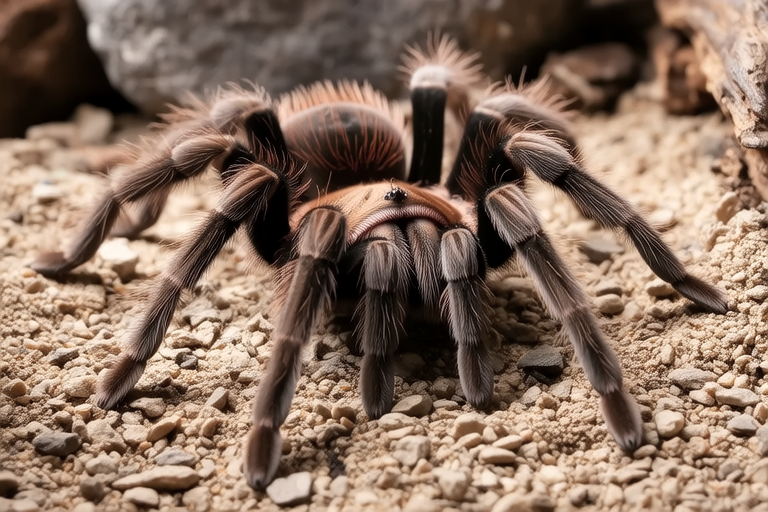
7 Myths Debunked About Keeping a Chilean Rose Tarantula as a Pet
The Chilean Rose Tarantula (Grammostola rosea) has become increasingly popular among exotic pet enthusiasts. Known for their relatively small size, docile nature, and vibrant pinkish hues, these tarantulas are often recommended as ideal pets for beginners. However, there are several misconceptions about caring for these creatures that can deter potential owners or lead to improper care. This article aims to dispel seven common myths about keeping a Chilean Rose Tarantula as a pet and provide accurate information to help you make an informed decision.
Myth 1: Chilean Rose Tarantulas Are Harmless to Humans
One of the most widespread beliefs about G. rosea is that they are completely harmless to humans. While it’s true that these tarantulas are generally non-aggressive and prefer to avoid confrontation, they do possess venom. The venom of a Chilean Rose Tarantula is primarily used to subdue prey and is not lethal to humans. However, a bite can cause localized pain, swelling, and itching similar to a bee sting. It’s important to handle your tarantula carefully and respect its space to minimize the risk of being bitten.
To ensure safety, always wash your hands before handling your tarantula and avoid sudden movements. Provide a secure enclosure with hiding spots and a proper substrate to allow your tarantula to feel safe and reduce stress. Proper care includes maintaining appropriate temperature and humidity levels within the enclosure.
Myth 2: Chilean Rose Tarantulas Can Be Handled Freely
Another misconception is that Chilean Rose Tarantulas can be freely handled like other pets such as dogs or cats. In reality, these arachnids are not suited for frequent handling due to their delicate exoskeletons and sensitive nature. Handling a tarantula can stress the animal and increase the likelihood of injury or escape. Moreover, tarantulas have urticating hairs on their abdomens which they can release when threatened. These hairs can irritate human skin and eyes if accidentally brushed against.
Instead of handling, observe your tarantula from a distance through the glass of its enclosure. You can also train your tarantula to recognize your presence and feeding routine without direct contact. This approach helps build trust and reduces stress for both you and your pet.
Myth 3: All Chilean Rose Tarantulas Are Identical
Many people assume that all Chilean Rose Tarantulas look and behave the same way. In fact, individual personalities and characteristics can vary significantly. Some may be more active during the day, while others might prefer nocturnal activities. Additionally, males and females exhibit different behaviors. Males tend to be more skittish and less predictable compared to females, which are usually calmer and more consistent.
Understanding the unique traits of your specific tarantula is crucial for providing the best care. Research and observe your pet regularly to learn its preferences and habits. This knowledge will help you create a comfortable environment tailored to its needs.
Myth 4: Chilean Rose Tarantulas Require Minimal Maintenance
Some believe that owning a Chilean Rose Tarantula requires little effort or maintenance. While these tarantulas are low-maintenance compared to other pets, they still need proper care to thrive. Their enclosure must be kept clean, with appropriate substrate and ventilation. Temperature and humidity levels should be maintained at optimal levels (around 75-85°F and 60-70% humidity).
Feeding schedules also play a vital role in their health. Feed your tarantula appropriately sized crickets or mealworms once every 1-2 weeks, depending on its age and appetite. Regularly check the enclosure for signs of illness or distress, such as missing limbs or unusual behavior. By providing consistent care, you’ll ensure your tarantula lives a long and healthy life.
Myth 5: Chilean Rose Tarantulas Do Not Need Social Interaction
Contrary to popular belief, Chilean Rose Tarantulas do benefit from social interaction, though not in the same way as social mammals. They are solitary animals that do not require companionship but can still form positive bonds with their owners. Interacting with your tarantula through observation and gentle handling can strengthen this bond and make caring for your pet more enjoyable.
However, it’s essential to avoid overcrowding the enclosure with multiple tarantulas. Housing multiple individuals together can lead to territorial disputes and stress, potentially resulting in injury or death. Stick to one tarantula per enclosure unless you’re experienced with managing group habitats.
Myth 6: Chilean Rose Tarantulas Live Only a Few Years
A common misconception is that Chilean Rose Tarantulas have short lifespans. In reality, these tarantulas can live up to 15 years in captivity, with females typically outliving males. The lifespan of a Chilean Rose Tarantula depends on various factors, including genetics, diet, and environmental conditions.
To maximize your tarantula’s lifespan, provide a balanced diet, maintain stable environmental conditions, and monitor its health closely. Regular veterinary check-ups can help detect potential issues early and prevent complications.
Myth 7: Chilean Rose Tarantulas Are Easy to Breed
Lastly, some owners mistakenly think that breeding Chilean Rose Tarantulas is straightforward. Breeding tarantulas requires extensive knowledge and experience in tarantula biology, as well as specialized equipment and techniques. It involves careful selection of mating pairs, monitoring courtship behaviors, and ensuring proper egg sac incubation.
If you’re interested in breeding your tarantulas, consult with experienced breeders or join online communities dedicated to tarantula husbandry. These resources can provide valuable insights and guidance to help you successfully breed your pets.
Why Chilean Rose Tarantulas Make Great Pets for the Right Owner
For those who are willing to invest time and effort into understanding and caring for their pet, Chilean Rose Tarantulas can be rewarding companions. They offer unique opportunities for observation and learning about arachnid behavior and biology. With patience and dedication, you can develop a strong bond with your tarantula and enjoy watching it grow and thrive.
Remember that owning any pet comes with responsibilities. Before deciding to bring a Chilean Rose Tarantula into your home, consider whether you’re prepared to commit to its long-term care and provide the necessary environment for its well-being.
Further Learning Resources
To deepen your knowledge about Chilean Rose Tarantulas and responsible pet ownership, explore books, articles, and forums focused on tarantula care. Some recommended titles include:
- “Tarantulas and Other Arachnids” by Stanley A. Schultz and Marguerite J. Schultz
- “The Tarantula Keeper’s Guide” by Richard C. Gallon
- Online Forums: Join communities like Reddit’s r/tarantulas or the International Arachnid Forum for discussions and advice from experienced keepers.
By staying informed and connected with fellow enthusiasts, you’ll continue growing as a responsible pet owner and contribute positively to the welfare of your Chilean Rose Tarantula.
