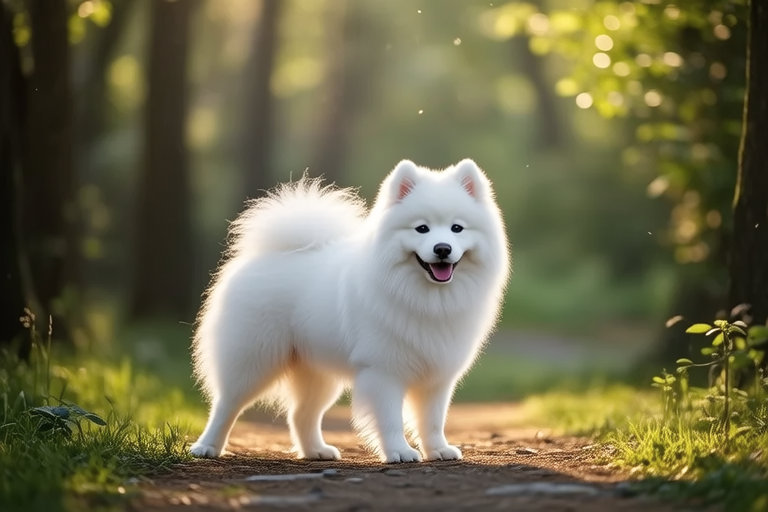
Samoyed Dogs: Fluffy Companions from Siberia
Welcome to the world of Samoyed dogs, known for their distinctive fluffy appearance that can light up any room. These charming dogs have a rich history and a unique set of characteristics that make them beloved pets. In this article, we will explore the origins of Samoyeds, their temperament, exercise needs, grooming requirements, common health issues, and tips for feeding and training these delightful dogs.
The Origins of Samoyed Dogs
The Samoyed dog has its roots deep in the harsh landscapes of Siberia. Bred by the nomadic Samoyede people, these dogs were essential companions and workers. They were used for herding reindeer, pulling sleds, and even keeping their owners warm at night. Their thick, double-layered coats provided insulation against the freezing temperatures, making them ideal for survival in extreme conditions. The Samoyede people valued their dogs not only for their utility but also for their loyalty and affection. This close bond between humans and dogs laid the foundation for the friendly and sociable nature of today’s Samoyeds.
A Friendly and Gentle Temperament
Samoyeds are renowned for their friendly and gentle disposition. They are often referred to as “smiling” dogs because of their characteristic upturned mouth, which gives them an eternal smile. This trait, combined with their affectionate and playful nature, makes them excellent family pets. Samoyeds are highly social animals and thrive on human interaction. They are known to be good with children and other pets, making them perfect for households where there are multiple family members or other animals. Their gentle nature also means they are well-suited for elderly individuals who are looking for a companion without the need for high-energy play.
Energetic and Playful
Besides their friendly nature, Samoyeds are also energetic and playful. They require regular exercise to maintain their physical and mental well-being. Daily walks, runs, or play sessions in a secure area are essential to keep them happy and healthy. Their love for outdoor activities makes them great candidates for hiking, jogging, or playing fetch. It’s important to note that while they are energetic, Samoyeds are not overly aggressive or hyperactive. With proper exercise and stimulation, they can be calm and content within the home.
Grooming Requirements
The most striking feature of a Samoyed is its thick, white double coat. This coat requires regular grooming to prevent matting and ensure cleanliness. Brushing your Samoyed at least once a week is recommended, and more frequently during shedding seasons. Their coat sheds heavily twice a year, and during this period, daily brushing may be necessary. Bathing should be done sparingly, as frequent washing can strip the natural oils from their skin. Additionally, regular nail trimming, ear cleaning, and dental care are important aspects of maintaining their overall health.
Common Health Issues
Despite their robust appearance, Samoyeds can be prone to certain health issues. Hip dysplasia, a condition where the hip joint doesn’t fit properly, is one of the most common problems. Regular vet check-ups and a healthy diet can help manage this condition. Other potential health concerns include progressive retinal atrophy (PRA), which can lead to blindness, and diabetes. Early detection and proper management are crucial for addressing these issues. Regular exercise and a balanced diet can contribute to their overall health and longevity.
Feeding and Nutrition
Selecting the right food for your Samoyed is vital for their health and vitality. High-quality dog food that provides balanced nutrition is essential. Look for foods that contain real meat as the primary ingredient, along with vegetables, fruits, and whole grains. Avoid foods that contain fillers, artificial preservatives, and colors. Feeding your Samoyed according to their age, size, and activity level is important. Puppies require more frequent meals, while adult dogs benefit from two large meals a day. Consult with your veterinarian to determine the best feeding schedule and portion sizes for your Samoyed.
Training Methods
Training a Samoyed requires patience and consistency. Positive reinforcement techniques, such as treats and praise, work well for this breed. Samoyeds respond positively to rewards and enjoy pleasing their owners. Training sessions should be short and fun to keep them engaged. Basic commands like sit, stay, come, and down are important for ensuring their safety and behavior. Socialization from an early age is also crucial for developing well-rounded and confident dogs. Exposing your Samoyed to different environments, people, and situations will help them become adaptable and friendly adults.
Conclusion
Samoyed dogs are truly remarkable companions, combining beauty, intelligence, and affection. Their origins in Siberia have shaped them into resilient and versatile dogs that excel both as companions and workers. Their friendly and gentle nature, coupled with their energetic and playful spirit, makes them ideal family pets. However, owning a Samoyed comes with responsibilities, including regular exercise, grooming, and attention to their health and nutrition. By providing them with the care and training they need, you can ensure that your Samoyed will bring joy and happiness to your life for many years to come.
