The Ultimate Guide to Feeding Your Rajah Cichlid Like a Pro
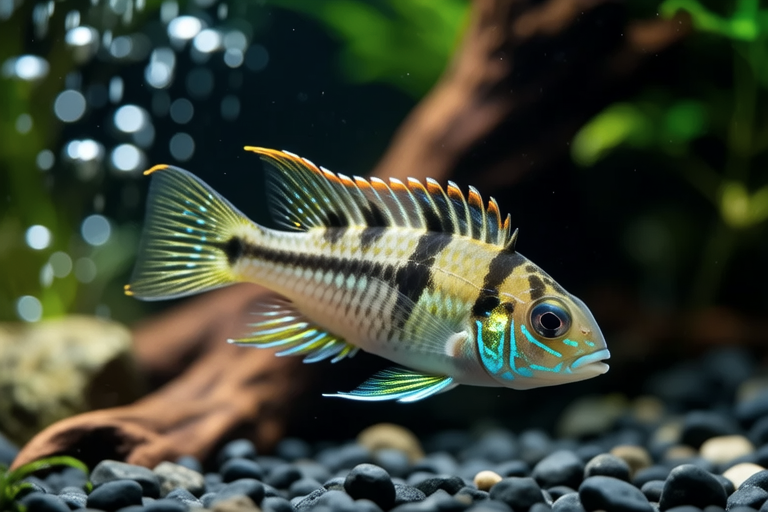
Rajah Cichlids, also known as Paraneetroplus synspilus, are vibrant and active fish that require specific care and feeding to thrive in their aquarium environment. As a dedicated aquarist, understanding the dietary needs of these cichlids is crucial for their health and longevity. This guide will provide you with all the necessary information to feed your Rajah Cichlid like a pro, ensuring they grow healthy and strong.
Dietary Needs of Rajah Cichlids
Rajah Cichlids are omnivorous, meaning they consume both plant and animal matter in their natural habitat. In the wild, their diet consists of small insects, crustaceans, algae, and various plant materials. To replicate this diet in captivity, it’s essential to provide a balanced mix of nutrients that cater to their diverse dietary requirements.
The Importance of a Balanced Diet
A well-balanced diet is vital for the overall health and growth of Rajah Cichlids. Proper nutrition ensures optimal immune function, aids in disease prevention, and supports vibrant coloration. A varied diet also helps maintain their energy levels and promotes healthy digestion. Without the right nutrients, Rajah Cichlids may become lethargic, lose their appetite, or develop health issues.
Suitable Foods for Rajah Cichlids
Live Foods
- Blackworms: These are rich in protein and can be used as a treat or supplementary food.
- Brine Shrimp: Excellent for providing essential fatty acids and vitamins.
- Daphnia: Small, nutritious crustaceans that offer a good source of protein.
- Grindal Worms: Larger than blackworms, these are suitable for adult Rajah Cichlids.
Frozen Foods
- Bloodworms: High in protein, bloodworms are a popular choice for cichlids.
- Mysis Shrimp: Provides valuable omega-3 fatty acids and enhances coloration.
- Brine Shrimp: Frozen versions are readily available and offer similar benefits to live brine shrimp.
- Daphnia: Nutritious and easy to find in frozen form.
Pellet Options
- High-Quality Cichlid Pellets: Look for pellets specifically formulated for carnivorous or omnivorous cichlids.
- Algae Wafers: Ideal for providing plant-based nutrients and promoting algae consumption.
- Flake Food: While not as nutritious as pellets, flakes can still be part of a balanced diet when used sparingly.
Feeding Frequency and Quantity
The amount and frequency of feeding depend on the age and size of your Rajah Cichlids. Juvenile Rajah Cichlids need to be fed more frequently but in smaller quantities compared to adults. Here’s a general guideline:
Juveniles (Under 3 months)
Feed juveniles 2-3 times daily with small portions of high-protein foods such as live or frozen bloodworms, brine shrimp, and finely crushed pellets. This feeding schedule supports their rapid growth and development.
Adults (Over 3 months)
Adult Rajah Cichlids should be fed once or twice daily with larger portions of a varied diet. The portion size should be sufficient to allow them to eat within 2-3 minutes. Overfeeding can lead to poor water quality and health issues.
Maintaining Water Quality After Feeding
After feeding, it’s crucial to monitor and maintain the water quality in your aquarium. Uneaten food can decompose and increase ammonia levels, leading to harmful conditions for your cichlids. Use a siphon to remove any leftover food from the tank, and perform regular water changes to keep the environment clean and healthy.
Common Feeding Mistakes and Their Consequences
Several common mistakes can negatively impact the health of your Rajah Cichlids. Overfeeding is one of the most frequent errors, causing excess waste and poor water quality. Underfeeding, on the other hand, can lead to malnutrition and stunted growth. Additionally, feeding the same type of food repeatedly can result in nutritional deficiencies.
Observing Your Cichlid’s Eating Habits
Regularly observe your Rajah Cichlids during feeding times to ensure they are thriving. Healthy cichlids will actively seek out food and display interest in feeding sessions. If you notice a decline in appetite, changes in behavior, or signs of illness, it may indicate underlying health issues that require attention.
Conclusion
Proper feeding is fundamental to the health and well-being of your Rajah Cichlids. By understanding their dietary needs and providing a balanced mix of live, frozen, and pellet foods, you can ensure your cichlids lead long, healthy lives. Remember to adjust the frequency and quantity of feeding based on their age and size, and always monitor water quality to prevent health issues. With consistent care and attention, your Rajah Cichlids will remain vibrant and active members of your aquarium community.
