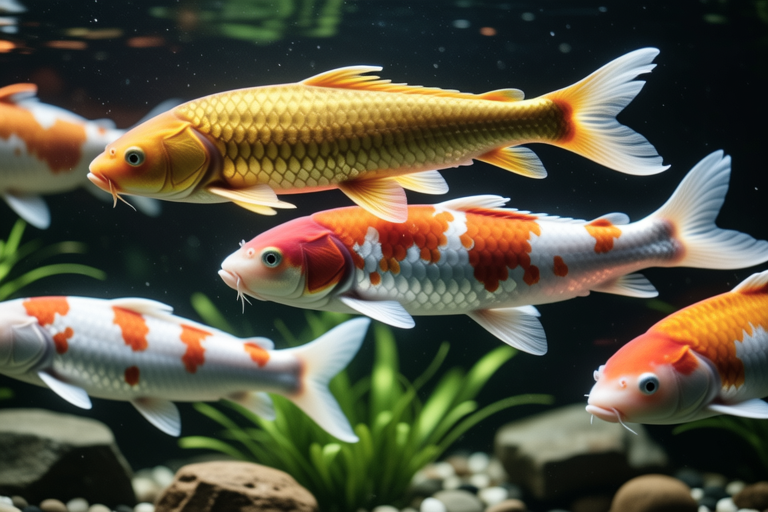
Koi Fish in Home Aquariums: A Comprehensive Guide
Koi fish are renowned for their vibrant colors and graceful movements, making them a popular choice for many aquarists. However, there is much more to these captivating creatures than meets the eye. This article delves into the behaviors, habits, and lesser-known facts about koi fish in home aquariums, offering insights into their daily routines, social structures, communication methods, and how environmental factors influence their activities. We will also provide tips for enriching the lives of your koi through suitable habitats and companions, highlight interesting quirks, and dispel common misconceptions.
Daily Routines and Habits
Like most aquatic creatures, koi fish follow a predictable daily routine influenced by light cycles and feeding times. During the day, they are typically active, swimming around the tank, interacting with each other, and exploring their environment. They are particularly fond of surfaces such as rocks and plants where they can nibble on algae or hide from potential threats.
At night, koi become less active as their metabolism slows down. They may rest at the bottom of the tank or find a comfortable spot near the surface. Owners should ensure that the tank has enough hiding spots and areas for the fish to feel secure during this time.
Social Structures and Communication Methods
Koi fish are highly social animals that thrive in groups. In the wild, they live in schools of up to several hundred individuals. In captivity, it is recommended to keep at least three koi together to encourage natural behaviors and reduce stress. Koi communicate through body language and visual signals, such as tail flicks, fin movements, and changes in coloration. They also produce sounds, which are often described as soft clicks or pops, though these are rarely audible to human ears.
Within a group, koi establish a hierarchy based on size, age, and strength. Dominant fish tend to have better access to food and prime territories, while subordinate fish must compete for resources. This hierarchy can change over time as fish grow or new members join the group.
Environmental Factors and Their Influence on Activities
The behavior of koi fish is heavily influenced by environmental factors such as water temperature, oxygen levels, and quality. Koi are cold-water fish that prefer temperatures between 68°F and 77°F (20°C and 25°C). Outside this range, their activity levels decrease, and they may become lethargic or stressed. It is crucial to maintain a stable temperature in the tank to ensure the well-being of your koi.
Oxygen levels are another critical factor affecting koi behavior. These fish require ample oxygen to thrive, and low oxygen levels can lead to stress, reduced appetite, and even death. Owners should ensure that the tank is properly aerated, especially during warm weather when oxygen levels tend to drop. Regular water changes and the use of filters can help maintain optimal oxygen levels.
Enriching the Lives of Your Koi
To enrich the lives of your koi, it is essential to provide them with a stimulating and diverse environment. This includes adding various elements to the tank, such as rocks, plants, and decorations. Rocks and caves offer hiding spots and resting places, while plants provide cover and a source of food. Decorations can add visual interest and encourage exploration.
Another way to enhance the lives of your koi is by providing enrichment activities, such as puzzle feeders or floating toys. These items can stimulate the fish’s curiosity and promote mental engagement. Additionally, owners can incorporate interactive feeding sessions, where they hand-feed the koi or scatter food throughout the tank to encourage foraging.
Interesting Quirks and Myths About Koi
Koi fish possess several interesting quirks that make them unique and fascinating. One such quirk is their ability to recognize and respond to their owners. With consistent interaction, koi can learn to associate certain sounds or movements with feeding time and may approach the tank edge in anticipation. Another quirk is their tendency to develop individual personalities, with some fish being more outgoing and curious than others.
There are also several myths surrounding koi fish that need to be dispelled. One common myth is that koi can only live for a few years. In reality, koi have been known to live for decades, with some reaching ages of over 100 years in ideal conditions. Another myth is that koi cannot survive in indoor tanks. While outdoor ponds are preferable due to their larger size and more natural environment, koi can thrive in well-maintained indoor tanks if provided with adequate space and care.
Tips for Successful Koi Ownership
Successful koi ownership requires attention to detail and a commitment to maintaining a healthy and stimulating environment. Here are some tips for ensuring the well-being of your koi:
- Proper Tank Size: Koi grow quickly and can reach sizes of up to 3 feet (91 cm) in length. It is essential to provide a spacious tank that allows for ample swimming room and growth. As a general rule, each koi should have at least 100 gallons (378 liters) of water.
- Water Quality: Regular testing and maintenance of water parameters, including pH, ammonia, nitrite, and nitrate levels, are crucial for preventing health issues. Owners should perform weekly water changes and monitor water quality closely.
- Feeding: Koi have hearty appetites and can eat a variety of foods, including pellets, flakes, and fresh vegetables. It is important to feed them small amounts multiple times a day rather than large meals infrequently. Overfeeding can lead to poor water quality and health problems.
- Health Monitoring: Regularly observe your koi for signs of illness, such as abnormal behavior, discoloration, or lesions. Early detection and treatment of health issues can prevent complications and improve the chances of recovery.
Conclusion
Koi fish are captivating creatures with rich behaviors, habits, and social structures that make them a joy to watch and care for. By understanding their daily routines, social dynamics, and environmental needs, owners can create a thriving habitat that enhances the well-being and happiness of their koi. With proper care and attention, these beautiful fish can bring years of enjoyment and companionship to their human caretakers.
