Adorable and Affectionate: The Complete Guide to Living with a Lop Rabbit
Welcome to the world of lop rabbits, one of the most popular and beloved pets among rabbit enthusiasts. With their floppy ears and gentle demeanor, these adorable creatures have captured the hearts of many. In this comprehensive guide, we will explore everything you need to know about living with a lop rabbit, from understanding their unique physical characteristics and temperaments to providing proper care and creating a loving bond.
Introduction: The Popularity and Unique Traits of Lop Rabbits
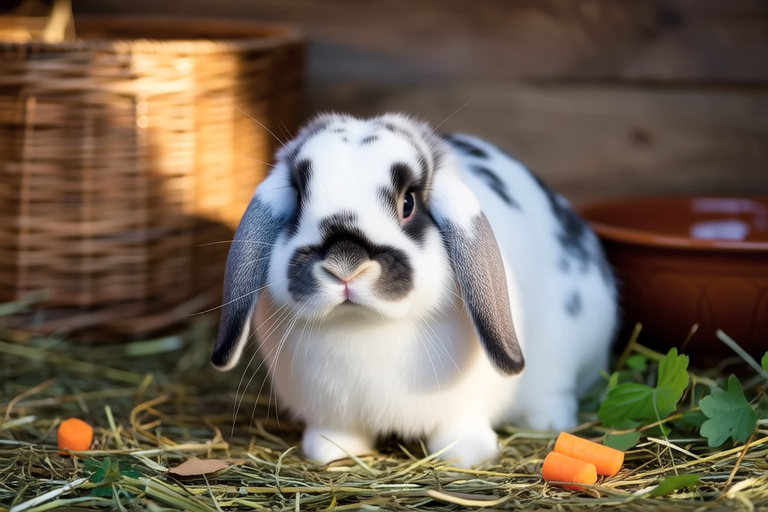
Lop rabbits are known for their distinctive drooping ears that give them a charming, endearing appearance. These rabbits come in various sizes and breeds, including the Holland Lop, French Lop, and Mini Lop, each with its own set of traits and care needs. Their docile nature and affectionate personalities make them ideal companions for families and individuals alike. Lops are intelligent, curious, and enjoy human interaction, making them a delightful addition to any home.
Physical Characteristics
Lop rabbits are medium-sized rabbits, typically weighing between 2 to 6 kilograms depending on the breed. Their most notable feature is their long, floppy ears, which can measure up to 15 centimeters in length. They have short, dense fur that comes in a variety of colors and patterns, adding to their charm. Lop rabbits have strong hind legs, allowing them to hop quickly and efficiently. Their large eyes and expressive faces add to their appeal, making them irresistible to many.
Temperament and Care Requirements
Lop rabbits are generally calm and easygoing, making them excellent pets for those new to rabbit ownership. They are social animals that thrive on companionship and enjoy spending time with their human families. Lops are intelligent and can be trained to perform simple tasks, such as coming when called or using a litter box. However, like all rabbits, they require proper care and attention to ensure their well-being. This includes regular exercise, a balanced diet, and routine veterinary check-ups.
Housing Your Lop Rabbit
Creating a safe and comfortable living environment is crucial for your lop rabbit’s happiness and health. A spacious cage or hutch with ample ventilation and protection from extreme weather conditions is essential. The cage should be at least four times the size of your rabbit when fully extended, allowing room for movement and play. Providing soft bedding, such as straw or hay, ensures comfort. Additionally, include toys and tunnels to stimulate your rabbit’s curiosity and provide mental stimulation.
Dietary Needs
A healthy diet is vital for maintaining your lop rabbit’s vitality and longevity. The majority of their diet should consist of fresh hay, which aids digestion and keeps their teeth in good condition. Fresh vegetables, fruits, and pellets formulated for rabbits should also be provided in moderation. Avoid feeding your rabbit foods high in sugar or fat, as these can lead to health issues. Always ensure access to clean water and monitor your rabbit’s eating habits to identify any changes in appetite or behavior.
Grooming and Hygiene
Regular grooming is necessary to keep your lop rabbit’s coat in top condition and prevent matting. Brush your rabbit’s fur at least once a week, paying special attention to areas prone to tangles. During shedding seasons, more frequent brushing may be required. Additionally, trim your rabbit’s nails every few weeks to prevent overgrowth and discomfort. Cleaning your rabbit’s living space regularly helps maintain hygiene and reduces the risk of infections.
Healthcare and Veterinary Care
Like all pets, lop rabbits require regular veterinary care to stay healthy. Schedule annual check-ups with a veterinarian experienced in rabbit care. Be vigilant about signs of illness, such as lethargy, loss of appetite, or unusual discharge. Common health issues in rabbits include dental problems, gastrointestinal stasis, and respiratory infections. Early detection and treatment can prevent complications and extend your rabbit’s lifespan.
Training Tips
Training your lop rabbit can enhance your bond and make daily interactions more enjoyable. Start by establishing a routine and using positive reinforcement techniques, such as treats and praise, to encourage desired behaviors. Teach your rabbit basic commands, like coming when called or sitting on command. Consistency and patience are key to successful training. Remember, rabbits learn through repetition, so practice regularly but avoid overtraining to prevent stress.
Bonding and Playing with Your Lop Rabbit
Spending quality time with your lop rabbit is essential for building trust and strengthening your bond. Engage in interactive play sessions, offering toys that promote physical activity and mental stimulation. Many rabbits enjoy exploring new environments, so consider creating an obstacle course or tunnel system within a secure area. Supervised outdoor playtime in a rabbit-proofed yard can also provide enrichment and exercise. Always supervise your rabbit during play to ensure safety and prevent accidents.
The Rewarding Experience of Owning a Lop Rabbit
Owning a lop rabbit is a rewarding experience filled with love, laughter, and companionship. These affectionate creatures bring joy to their owners’ lives and offer a unique perspective on life. By providing a loving home and attentive care, you can ensure your lop rabbit thrives and enjoys a long, happy life. Remember, responsible pet ownership involves commitment, dedication, and a genuine desire to provide the best possible life for your furry friend.
In conclusion, lop rabbits are delightful pets that bring immense joy and companionship to their owners. By understanding their unique traits and care requirements, you can create a nurturing environment that fosters a strong bond and ensures your lop rabbit’s well-being. Embrace the rewarding experience of living with a lop rabbit and cherish the moments spent together. Happy rabbit ownership!
