From Nome to Your Home: The Ultimate Guide to Raising a Siberian Husky
Welcome to the world of Siberian Huskies! These beautiful, intelligent, and energetic dogs have captured the hearts of many dog lovers. Originating from the harsh conditions of Siberia, they were bred by the Chukchi people as working dogs, sled racing companions, and loyal family members. This guide will take you through the journey of raising a Siberian Husky, from understanding their history to ensuring they are well-cared for and happy.
The History and Origin of Siberian Huskies
Siberian Huskies hail from the northeastern region of Asia, specifically from the area around the Chukchi Peninsula. Their history is deeply intertwined with the lives of the indigenous Chukchi people, who relied on these dogs for transportation and companionship in the unforgiving Arctic environment. Known for their endurance, strength, and ability to withstand extreme temperatures, these dogs played a crucial role in the survival of the Chukchi communities.
In 1908, Siberian Huskies made their way to Alaska during the Nome Gold Rush, where they participated in sled dog races. One of the most famous events was the serum run to Nome in 1925, which saved thousands of Alaskans from a deadly diphtheria outbreak. Balto, a Siberian Husky, became a national hero and symbol of the breed’s strength and loyalty.
Physical Characteristics
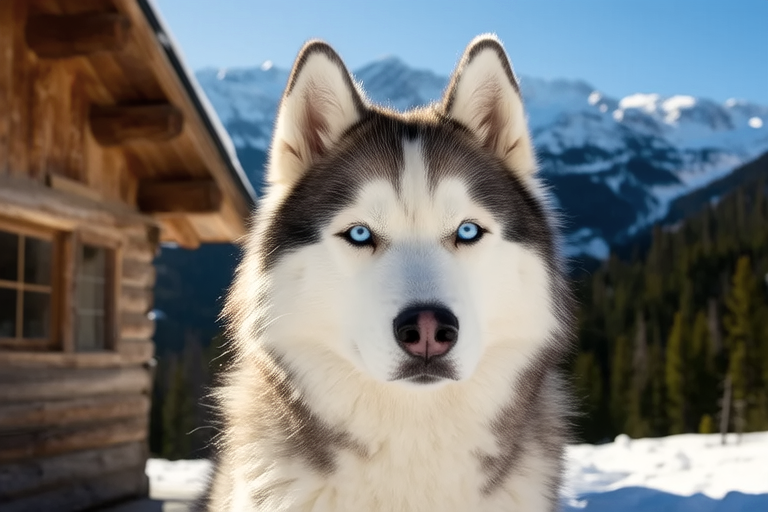
Siberian Huskies are medium-sized dogs with a distinctive appearance that includes erect triangular ears, a thick double coat, and expressive eyes that can be brown, blue, or even heterochromatic (two different colors). They typically weigh between 35 to 60 pounds and stand about 20 to 23.5 inches tall at the shoulder. Their dense fur provides insulation against cold weather, but it also means they can overheat easily in warmer climates.
One of the most striking features of Siberian Huskies is their coat, which comes in various colors including black and white, red and white, gray and white, and pure white. Their coats shed heavily twice a year, so regular grooming is essential to keep their fur healthy and prevent matting.
Temperament
Siberian Huskies are known for their friendly and outgoing nature. They are generally good with children and other animals, making them excellent family pets. However, their independent streak can sometimes make training challenging. They are curious and love to explore, which can lead to wandering if not properly contained.
Real-life experience: Sarah, a first-time dog owner, shared her story, “I adopted a Siberian Husky named Loki when I was moving into a house with a big backyard. He’s incredibly loving and playful with my kids, but he has a mind of his own. It took some time to establish boundaries, but now we have a great routine.”
Exercise Needs
Due to their high energy levels and strong work ethic, Siberian Huskies require plenty of physical activity. Daily walks, runs, and play sessions are necessary to keep them mentally and physically stimulated. Without adequate exercise, they may become bored and destructive.
Real-life experience: John, a husky owner, mentioned, “I noticed a significant difference in my dog’s behavior after I started taking him jogging with me every morning. He’s much calmer throughout the day and less likely to chew on things.”
Dietary Requirements
Siberian Huskies have a relatively high metabolism, which means they need a balanced diet rich in protein and fat to maintain their energy levels. High-quality dog food formulated for active breeds is recommended. It’s important to monitor their calorie intake to avoid obesity, especially since they have a tendency to overeat.
Real-life experience: Lisa, a husky owner, said, “I switched my husky to a higher-protein diet after noticing she had more energy and better muscle tone. She still loves her treats, though, so I have to be careful not to overdo it.”
Grooming Tips
Grooming a Siberian Husky requires dedication due to their heavy shedding. Regular brushing, especially during shedding seasons, helps remove loose hair and prevents mats. Bathing should be done sparingly to avoid stripping their natural oils. Nail trimming, ear cleaning, and dental hygiene are also important aspects of their grooming routine.
Real-life experience: Mike, a husky owner, shared, “Brushing my husky can be quite the task, but I’ve found that doing it outside or in the garage keeps the mess contained. It’s worth it to see how soft her coat feels afterward.”
Training Methods
Training Siberian Huskies requires patience and consistency. Positive reinforcement techniques, such as rewarding desired behaviors with treats and praise, are effective. Since they are intelligent and independent, it’s crucial to establish yourself as the pack leader early on. Socialization from a young age is also important to ensure they grow up to be well-behaved adults.
Real-life experience: Emily, a husky owner, commented, “Training my husky was a learning process for both of us. We attended obedience classes, which helped us build a stronger bond and taught her basic commands like ‘sit’ and ‘stay.'”
Health Concerns
Like all breeds, Siberian Huskies are prone to certain health issues. Common problems include hip dysplasia, eye disorders such as progressive retinal atrophy and cataracts, and skin allergies. Regular veterinary check-ups and genetic testing can help identify and manage these conditions early.
Real-life experience: Rachel, a husky owner, said, “My vet recommended regular eye exams for my husky because of her breed predisposition to eye problems. Early detection has been key in managing her condition.”
Socializing with Other Pets and Humans
Siberian Huskies are generally good with other dogs and pets, especially when introduced at a young age. However, their prey drive can sometimes cause issues with smaller animals. Proper socialization is essential to ensure they get along well with other pets in the household.
Real-life experience: David, a husky owner, stated, “We brought our husky home when she was just a puppy and introduced her to our cat slowly. They now play together and nap side by side, which is heartwarming to watch.”
Final Thoughts
Raising a Siberian Husky is a rewarding yet demanding endeavor. With their unique combination of beauty, intelligence, and loyalty, they make wonderful companions for those willing to commit to their care. By understanding their history, meeting their physical and mental needs, and providing proper training and socialization, you can ensure your Siberian Husky leads a happy and healthy life. Remember, adopting a Siberian Husky is not just getting a pet; it’s welcoming a new member of the family.
