Hamster Training Tricks: Teach Your Tiny Friend Fun New Skills!
Welcome to the wonderful world of hamster training! Training your little furry friend can be an incredibly rewarding experience. Not only does it provide mental stimulation for your hamster, but it also strengthens the bond between you and your pet. In this guide, we will walk you through step-by-step instructions for training your hamster, including understanding their behavior, choosing the right treats, setting up a safe training environment, and teaching some fun tricks.
Understanding Hamster Behavior
Before diving into training, it’s essential to understand your hamster’s natural behaviors and tendencies. Hamsters are nocturnal animals, meaning they’re most active during the night. They have strong digging instincts and are naturally curious creatures. This curiosity can be harnessed to make training sessions more engaging.
Hamsters are also very sensitive to their environment. Loud noises or sudden movements can startle them, so it’s crucial to create a calm and controlled atmosphere for training. Spend time observing your hamster in its cage to get a sense of its routine and preferences. This will help you anticipate its responses during training sessions.
Choosing the Right Treats
Treats play a vital role in training. They serve as positive reinforcement, encouraging your hamster to repeat desired behaviors. However, not all treats are suitable for hamsters. It’s important to choose healthy options that won’t disrupt their diet.
Safe treats include small pieces of fruits like strawberries, blueberries, and apples. Vegetables such as carrots, peas, and cucumber are also great choices. Avoid sugary treats like chocolate or candies, as they can lead to health issues. Additionally, opt for high-quality commercial hamster treats available at pet stores.
Remember, treats should be given sparingly. Overfeeding can lead to obesity and other health problems. Use them primarily as rewards during training sessions.
Creating a Safe Training Environment
The environment you choose for training should be safe, quiet, and free from distractions. A dedicated training area with a solid surface is ideal. Place a soft towel or blanket on the floor to cushion falls and provide comfort for your hamster.
Avoid areas with potential hazards, such as open windows, drafts, or pets. Ensure the space is well-lit but not too bright, as hamsters prefer dim lighting. Consider placing a small hideaway or tunnel in the training area to give your hamster a sense of security.
Having a variety of training tools ready can enhance your sessions. These might include tunnels, small toys, and exercise wheels. Make sure these items are hamster-safe and free from sharp edges or toxic materials.
Teaching Basic Commands or Tricks
Running Through Tunnels
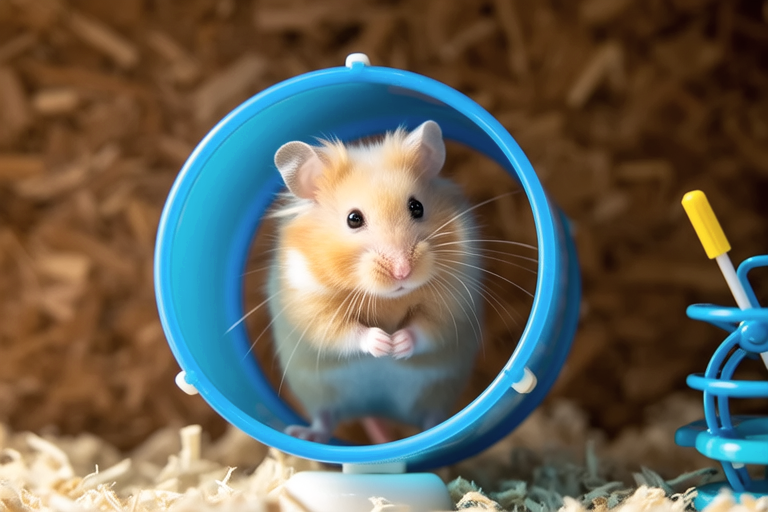
One of the first tricks you can teach your hamster is running through tunnels. Start by placing a short, wide tunnel in the training area. Encourage your hamster to enter the tunnel by gently guiding it with your hand or a favorite treat. Once inside, reward it with a small piece of fruit or vegetable.
Gradually increase the length and complexity of the tunnel as your hamster becomes more comfortable. You can also introduce obstacles, like small ramps or turns, to challenge your hamster further. Always ensure the tunnel is stable and secure to prevent accidents.
Retrieving Small Objects
Teaching your hamster to retrieve small objects can be both fun and stimulating. Choose lightweight, non-toxic items such as small plastic balls or cotton balls. Hold the object near your hamster and encourage it to pick it up by gently nudging it with your finger.
Once your hamster grasps the object, gently pull it toward you while offering a treat as a reward. Repeat this process several times until your hamster begins to associate the action with the reward. Over time, you can increase the distance between you and your hamster, making the task more challenging.
Using Exercise Wheels Efficiently
Exercise wheels are an essential part of a hamster’s daily routine. Proper use of the wheel can help maintain your hamster’s physical and mental health. To encourage efficient use, place the wheel in a quiet corner of the cage where your hamster feels safe.
If your hamster seems hesitant to use the wheel, try placing a small treat near the entrance. This can entice your hamster to explore and eventually use the wheel. You can also engage your hamster in play activities around the wheel to familiarize it with the equipment.
Patience and Consistency
Patience and consistency are key when training your hamster. Training sessions should be short—about 10-15 minutes—to avoid overwhelming your pet. Keep sessions frequent but spaced out throughout the day to maintain your hamster’s interest.
Be patient with your hamster. Some may learn quickly, while others may take longer. Celebrate small victories along the way, and don’t get discouraged if progress seems slow. Consistent, positive reinforcement will eventually lead to successful training outcomes.
Common Challenges and Solutions
Lack of Interest
Sometimes, your hamster may seem disinterested in training. This could be due to various factors, such as being tired, stressed, or not feeling well. Observe your hamster’s behavior and adjust the training session accordingly.
If your hamster appears tired, consider shortening the session or scheduling it for a different time of day. If stress seems to be the issue, ensure the training environment is calm and free from distractions. Offering a favorite treat or toy can also help rekindle your hamster’s interest.
Resistance to New Objects
Some hamsters may be resistant to new objects introduced during training. To overcome this, gradually introduce the object over several days. Place it in the cage for short periods without any pressure on your hamster to interact with it.
Once your hamster becomes accustomed to the presence of the object, begin incorporating it into training sessions. Offer treats and praise to encourage interaction. Patience and gentle encouragement will help your hamster become more comfortable with new items.
Improper Timing of Rewards
Misjudging the timing of rewards can lead to confusion for your hamster. It’s crucial to reward your hamster immediately after it performs the desired behavior. Delayed rewards can cause your hamster to associate the treat with something else, weakening the training effect.
To ensure proper timing, always have treats readily available during training sessions. This way, you can reward your hamster instantly, reinforcing the connection between the behavior and the reward.
Conclusion
Training your hamster can be a delightful and enriching experience for both you and your pet. By understanding your hamster’s behavior, choosing appropriate treats, creating a safe training environment, and practicing patience and consistency, you can teach your tiny friend a variety of fun new skills. Remember, every hamster is unique, so adapt your training methods to suit your pet’s individual needs and preferences. Enjoy the journey of bonding and learning together!
